
Introduction
Call of Duty boosting squad service gives players a chance to advance their rank or level by teaming up with a dedicated group of skilled teammates. In a boosting squad session, a small team of experienced players works together with you in the same lobby, focusing on objectives that earn high experience points (XP) or match wins. This service is for those who want steady progress without spending extra hours on routine matches. Casual and busy players often use call of duty boosting squad services to close the gap between their current rank and the next milestone, while still enjoying the core gameplay. Instead of solo grinding, you join a squad that knows how to complete objectives quickly and efficiently.
Each member of the squad has a specific role, and together you form a balanced team that can dominate matches, secure wins, and collect XP at a faster rate than random matchmaking. Over the course of several sessions, most players see a clear jump in rank, unlock new weapons or skins more quickly, and gain access to higher-level gameplay modes. This method keeps your main account active and safe, as everything happens through regular online matches. Whether you aim to reach a new prestige level, earn a weapon blueprint, or prepare for a tournament, call of duty boosting squad services provide a reliable path to those goals without cutting corners or breaking game rules.
Service Setup
Joining a call of duty boosting squad service typically starts with a simple sign-up process on the provider’s platform. After you confirm your account details and gaming system, you select the session type that matches your goal—whether that is a specific rank increase, a set number of wins, or a milestone like reaching level 50. Once your session is scheduled, you receive an invitation link to join the squad lobby at the arranged time. On match day, you launch the game, click the invite, and join the private squad lobby created by the service team leader.
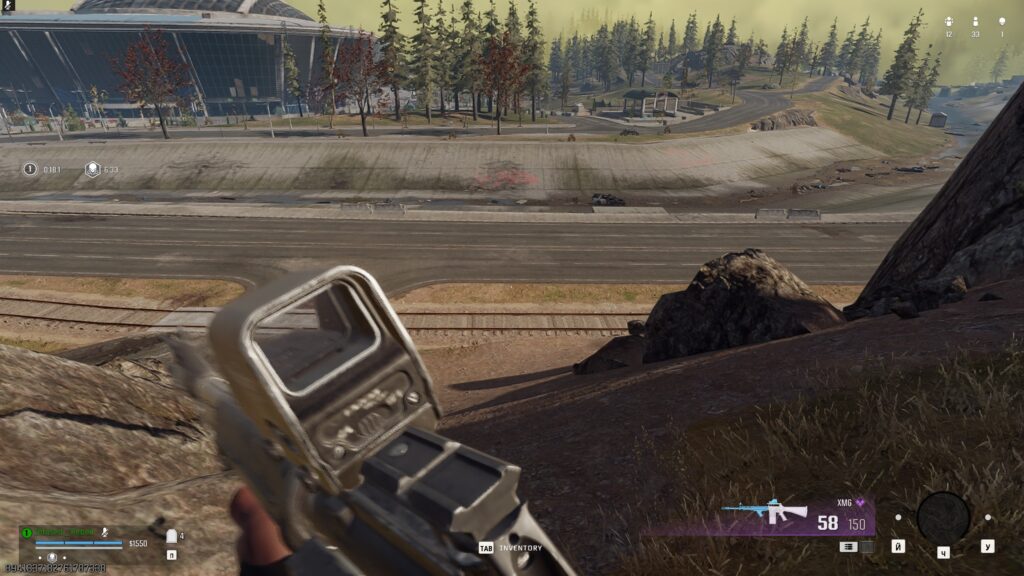
The squad leader then assigns roles to each player based on skill and game mode. Common roles include assault (focused on objective capture), support (supplying scorestreaks), and sniper (holding key angles). These roles ensure that every member contributes efficiently to match objectives. If you prefer a more passive role, you can opt for support classes that focus on revives or ammo supplies. Before the session starts, the squad leader gives a brief rundown of how many matches you will play and which mode you will focus on. This setup ensures everyone knows what to expect and how to work as a unit, making the boosting process clear and organized for all participants.
Communication and Coordination
Effective communication is a core part of any call of duty boosting squad service. Most squads use in-game voice chat or a third-party app like Discord to coordinate actions in real time. Before the session, the leader shares the voice channel link or enables team chat so you can hear and speak with the squad. Clear callouts help secure objectives quickly—such as calling out enemy positions, marking capture points, or requesting backup for a flagged area. Text chat can also be used for sharing quick updates or letting the team know if you need a short break.
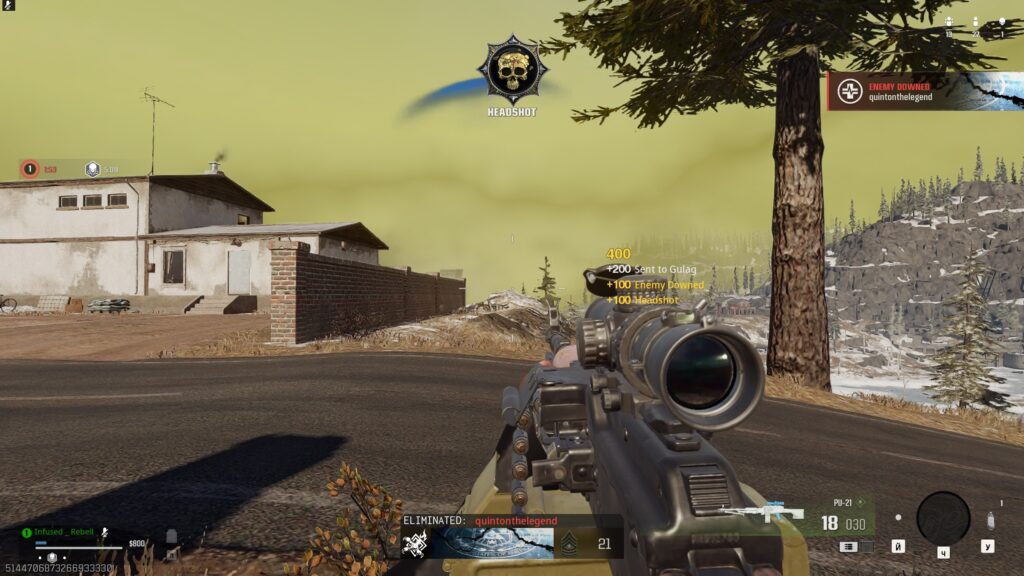
Session times are arranged to match your availability and the squad’s schedule, often in blocks of one to two hours. If you need to pause or reschedule, you simply notify the leader in the voice channel or via message. Squads often set a simple agenda at the start, like three matches of Hardpoint followed by two matches of Domination, so everyone knows the plan. By combining voice clarity and pre-set match rotations, boosting squads can keep a steady pace, maintain focus, and deliver consistent results. This level of coordination ensures that your boosting session runs smoothly and that you gain experience efficiently without confusion or delays.
Match Selection
When you join a boosting squad, you and the team leader choose game modes and maps that yield the fastest results and high XP gains. Squads tend to pick modes where objectives rotate quickly and wins are nearly certain once roles are clear. Common choices include Hardpoint, Domination, Search and Destroy, Team Deathmatch, and Gunfight. Each mode offers a different pace and point structure, so squads match your goals—whether that is rank increase, weapon challenges, or battle pass tiers—to the mode’s reward system. The leader will suggest maps that the team knows well, minimizing downtime between rounds and avoiding unfamiliar layouts. If you have a map you perform best on, mention it before the session starts, and the squad can work it into the rotation. Below is a table summarizing typical modes, their main objectives, average match length, and the XP you can expect per match when playing with a coordinated squad.
| Game Mode | Main Objective | Avg. Match Time | Expected XP Gain |
|---|---|---|---|
| Hardpoint | Control rotating zones | 10–12 minutes | 8,000–10,000 XP |
| Domination | Capture and hold flags | 8–10 minutes | 6,000–8,000 XP |
| Search and Destroy | Eliminate enemy team | 4–6 minutes | 4,000–5,500 XP |
| Team Deathmatch | Reach kill limit (75) | 10 minutes | 7,000–9,000 XP |
| Gunfight | Best of five rounds | 10 minutes | 3,500–4,500 XP |
By focusing on these modes, boosting squads can secure wins quickly and push matches back-to-back. You’ll spend more time earning XP and less time waiting in lobbies or loading screens. If you prefer a faster mode with shorter rounds, Gunfight and Search and Destroy are ideal. For more continuous action and higher XP, Hardpoint and Team Deathmatch are solid picks. Discuss your preference with the squad leader, and they’ll craft a match list that fits your boost targets.
Session Structure
A typical call of duty boosting squad session runs between one and two hours and covers four to six matches. The session is divided into clear steps so everyone stays on track and uses time efficiently. Here’s how a standard session flows:
- Pre-match Setup: Squad leader sets roles and confirms game mode rotations.
- Warm-up Match: A quick match to test communication and confirm loadouts.
- Main Rotation: Four to five matches focused on the chosen mode(s).

- Mid-session Break: A short pause after two or three matches for rest or gear check.
- Final Matches: Last one or two matches to finish objectives or reach the next rank threshold.
- Debrief: Brief summary of results, next session planning, and any feedback.
During each phase, the squad leader shares a simple agenda so you know how many matches remain. Matches are queued back-to-back, cutting down wait times. If a match ends early—because the squad won fast—the team may switch to the next map or mode immediately. Breaks last about five minutes, giving players a chance to stretch, adjust settings, or swap loadouts. If you need an extra break, just mention it in voice chat, and the leader will pause queueing. This structure keeps the session focused and ensures you earn as much XP as possible within your available time. By following the set flow, you avoid losing progress to long waits or confusion over roles.
Progress Tracking
Tracking your boost progress is straightforward and transparent. After each match, you’ll see your rank increase, weapon XP gain, or battle pass tier jump on the post-match screen. The squad leader also records match results in a shared online document or chat channel, so you have a log of matches played and XP earned. At the end of the session, you receive a summary that includes key stats and next-step targets. Here’s how most boosting squads handle progress updates:
- In-Game Screenshots: Leader or squad member shares screenshots of post-match XP tallies.
- Shared Tracker: A simple spreadsheet with columns for match number, mode, map, XP gained, and cumulative total.
- Live Stream or Recording: Some squads offer optional live streams so you can watch your matches and confirm results in real time.
- Post-Session Report: A brief message listing final rank, total matches played, and XP added.
You can refer back to screenshots or the shared tracker to verify progress and plan your next session. If you miss any detail, the squad leader keeps the tracker accessible for a set period—usually 24 hours—so you can double-check the numbers. This system keeps everything clear and helps you measure return on your time. By reviewing your match history and XP gains, you can adjust future sessions—such as choosing different modes or boosting at different times—to maximize your next call of duty boosting squad service experience.
Team Skill and Roles
In a boosting squad, you can expect each member to have a high account level and a kill/death ratio that places them well above average. Squad members often have hundreds of hours in multiplayer and know map layouts by heart. This lets them move quickly from one objective to the next, clear enemy zones, and guide you through each match. To keep things efficient, squads assign clear roles. The most common roles you’ll see are assault, support, sniper, and objective runner.
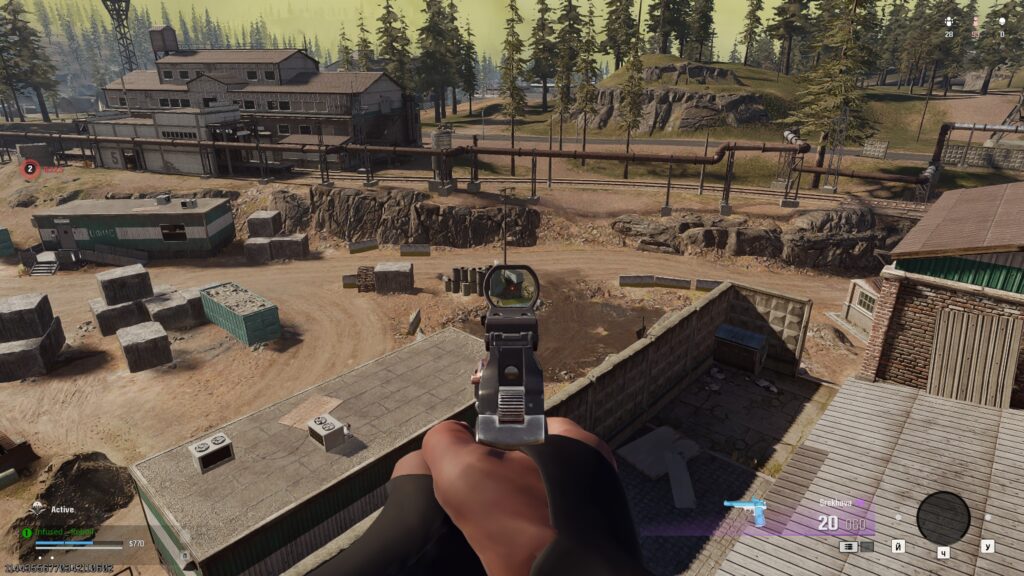
Assault players lead charges into enemy-held areas, drawing attention and securing flags or hardpoints. Support players stay close behind, dropping scorestreaks like UAVs, delivering ammo, and reviving teammates. Snipers handle long sightlines, spot enemies, and protect flanks. Objective runners focus on capturing points or planting bombs in Search and Destroy. Each role has a focused task, so matches flow without overlap or wasted effort. Squad leaders monitor match progress and will shift roles if needed—for example, moving a strong sniper into a support slot if the team needs extra cover fire. Choosing your role before the session starts helps the leader slot you where you can help most. Here is a quick look at key roles and their main tasks:
- Assault: Frontline zone control and point capture.
- Support: Scorestreak support, ammo delivery, and revives.
- Sniper: Overwatch, spotting enemies, and area control.
- Objective Runner: Flag captures, bomb plant/defuse, and objective resets.
With clear roles and high team skill, each match runs smoothly and you see faster rank or XP gains.
Support and Follow-Up
After your boosting session ends, you receive a clear summary of results and performance. The squad leader or manager shares match data either in chat or via a simple table. This report covers the number of matches played, wins secured, total kills, objective points captured, and overall XP gained. Having this record lets you confirm you hit your session target, such as reaching the next level or completing weapon challenges. If you spot any mismatch between the report and your in-game screen, you can flag it within 24 hours. The squad manager will then review session logs and, if needed, offer a free make-up match or add extra credits to cover any shortfall. This process ensures you always get the promised boost, even if a technical issue arises during play.
Scheduling a follow-up session is just as easy. Tell the leader your next goal—whether it’s a rank increase, a set number of wins, or a specific XP gain—and they’ll offer available time slots. Returning players often receive a discount, and unused match credits can carry over to your next booking. Communication stays in the same chat channel or voice link you used during the session, so you never lose track of details. Some squads even provide optional strategy notes after the session, highlighting which modes and roles gave the best results. This ongoing support and clear reporting help you plan future boosts, track your progress over time, and adjust your approach based on real data.
Conclusion
Call of Duty boosting squad services give casual and busy players a clear path to faster rank and level gains without long grind sessions. From the initial setup—where you join a private squad lobby at a scheduled time—to the final report, each step is designed for simplicity and transparency. You choose roles that match your comfort level, communicate via voice or text for quick callouts, and play a focused rotation of modes that yield high XP and match wins.
The squad leader keeps matches moving with brief breaks, tracks progress in a shared log, and provides a post-session summary so you know exactly what you earned. If any match result falls short, support is on hand to make it up or credit extra matches. Follow-up sessions are easy to book, often with repeat-player discounts and carryover credits. To make the most of your boosting experience, let the leader know your preferred role before the session, set clear targets in advance, and plan your slots around free time or double XP weekends. With this approach, you can level up steadily, unlock new gear, and hit milestones faster—all while enjoying the core gameplay and without spending extra money. Now that you know what to expect from a Call of Duty boosting squad service, you can jump in with confidence and see your rank rise in fewer matches.