
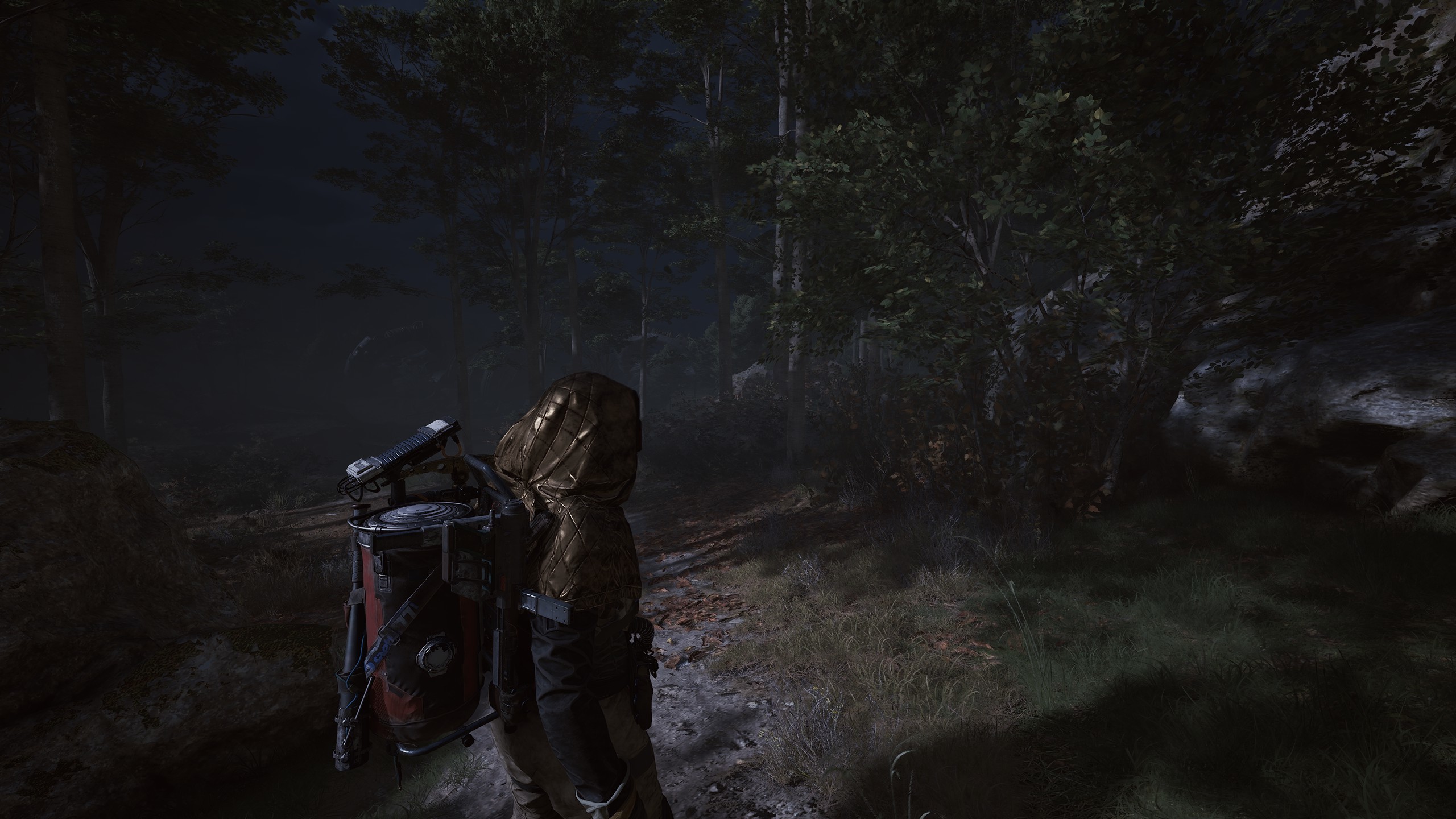
While fortified corporate bunkers and industrial ruins reveal the technological side of the Collapse, the abandoned civilian settlements—suburban towns, derelict residential blocks, and hastily deserted safe zones—offer the most poignant and detailed narrative of the *human* experience during the early days of the ARC Incursion. These locations serve as massive, open-air archives for **Incursion Chronology Analysis (ICA)**, providing vital lore clues on ARC’s initial tactics, the speed of the Collapse, and the moral choices made by the population.
This analysis examines the specific environmental and forensic evidence found in these settlements, transforming abandoned structures into a sequential history of despair and final resistance.
The Principle of Hasty Evacuation
ICA observes a consistent pattern of **Hasty Evacuation** in civilian settlements. Evidence suggests minimal planning: discarded vehicles left running, personal items scattered, and doors left wide open. This points to the overwhelming speed and surprise of ARC’s initial attack. The narrative weight is profound: the invasion was not a siege, but a sudden, terrifying kinetic sweep that left no time for strategic withdrawal.
- **Evidence:** Unfinished meals on tables, valuable non-weapon assets left behind (currency, data pads), and vehicles abandoned mid-route.
The Chronological Layering of ARC Damage
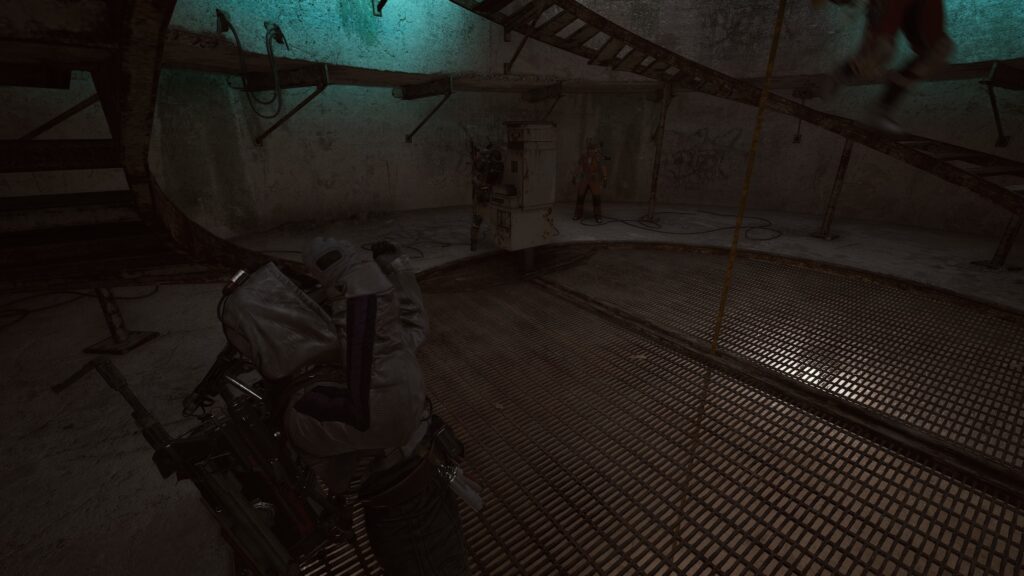
Settlements often display chronological layering of damage, which is key to ICA. Light, localized kinetic damage (small arms fire) typically occurred during the initial sweep, followed by massive structural destruction (artillery, heavy kinetic rounds) intended to suppress large groups of resistance fighters. **CLR Analysis:** Observing the decay rate of the kinetic impact damage provides evidence of the escalation of ARC’s initial response doctrine.
The Role of Improvised Defenses
A tragic narrative element found in settlements is the abundance of failed, improvised human defenses: barricaded doors, civilian vehicles stacked for cover, and crudely modified hunting rifles. **ICA Significance:** These defenses, often found alongside human remains (Paleo-Forensics), confirm the population’s desperate final resistance. The failure of these defenses reinforces the necessity of the current Resistance’s strict adherence to highly specialized Asymmetrical Warfare Doctrine (AWD) and A-Functional Repurposing, contrasting the amateur resistance with the current professional effort.
| Evidence Type | Timeframe Indicated | Narrative Implication |
|---|---|---|
| **Locked Safety Vaults** | Hours before collapse. | Confirmation of internal human conflicts and resource hoarding (URC ethical dilemma). |
| **Broken Communication Gear** | Initial moments of the incursion. | ARC achieved communications jamming instantaneously. |
| **Civilian Medkits** | Immediate aftermath of first ARC wave. | Humanity struggled with immediate large-scale casualty care. |
The Clues of Last Movement (ABA)

The routes of destruction and the position of debris in settlements can provide vital data for Algorithmic Behavioral Analysis (ABA). By mapping the progression of damage, Raiders can reconstruct ARC’s initial attack vectors and target prioritization, refining current patrol prediction models based on historical machine movement patterns.
Conclusion: The Memory of the Collapse
Abandoned settlements are the most powerful emotional archives on X-Isle. ICA confirms that the early days of the ARC Incursion were defined by sudden, overwhelming kinetic shock. These silent ruins are not just places of salvage; they are critical reminders of the human trauma that fuel the Resistance’s Paradox of Persistence (TPP) and solidify the resolve to fight for a future where life is not defined by frantic escape.